
Hemiarthroplasty for a fast, reliable fix after a hip fracture
A focused surgical approach that replaces just the damaged femoral head — the fastest route back to walking after a hip fracture, chosen carefully for the patients it suits best.
What Hemiarthroplasty actually involves
Hemiarthroplasty replaces only the femoral head — the "ball" of the hip — with a metal prosthesis, while the natural hip socket is left untouched. It's most commonly used after a fractured femoral neck, giving a quicker, lower-stress surgery than a full hip replacement for the patients it's suited to.

-
Thorough pre-surgical workup
X-rays, joint alignment assessment and fitness evaluation confirm the fracture pattern and bone quality, and guide the implant choice.
-
Total or partial replacement
Only the femoral head is replaced; the natural socket (acetabulum) is preserved, keeping the surgery shorter and less invasive.
-
Motion restored, not just pain reduced
The goal is getting a fractured hip pain-free and weight-bearing again quickly, which is critical for recovery in older or frailer patients.
-
Structured rehabilitation
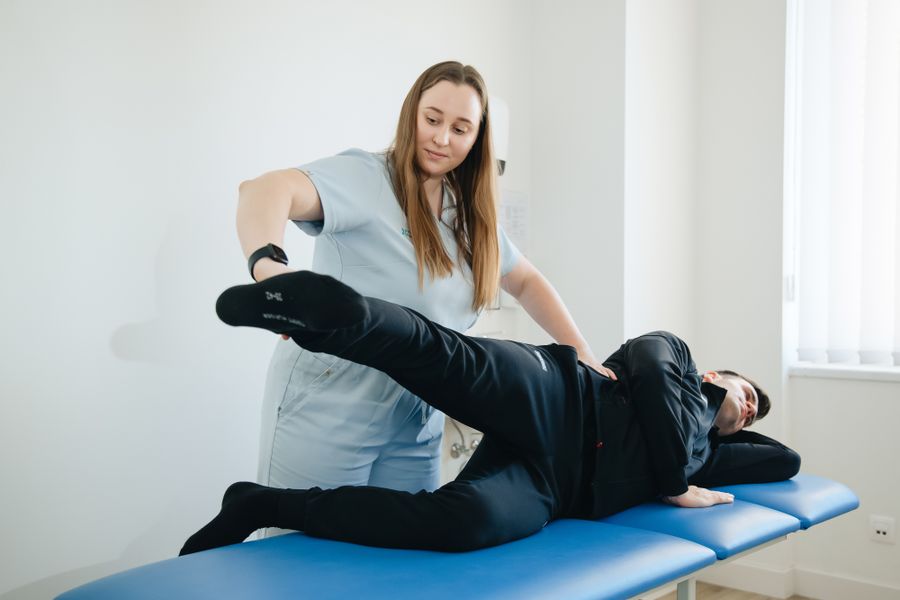
A guided physiotherapy programme starts within a day of surgery, building strength and range of motion in a controlled way.
When Hemiarthroplasty is the right choice
A displaced fracture of the femoral neck, especially in older patients, where the blood supply to the natural femoral head is compromised.
Sudden inability to bear weight or walk after a fall, with hip or groin pain and a shortened, rotated leg on examination.
Patients whose activity levels and life expectancy make a shorter surgery with faster recovery preferable to a full hip replacement.
Loss of blood supply to the femoral head causing bone collapse, most often without significant socket damage.
A previous attempt to fix the fracture with screws or plates that hasn't healed, now needing a definitive replacement.
Patients where a shorter, less invasive procedure meaningfully reduces anaesthesia time and surgical risk.
How Hemiarthroplasty is carried out
Hip fractures are often time-sensitive, so the sequence below is designed to move efficiently from diagnosis to getting the patient back on their feet.
Evaluation & planning
Examination and X-rays confirm the extent of joint damage and confirm the fracture pattern on imaging and determine whether hemiarthroplasty is the right procedure.
Pre-surgical fitness check
Blood work, anaesthesia assessment and, where needed, cardiac clearance are expedited so surgery isn't delayed unnecessarily.
The surgery itself
The damaged femoral head is removed and replaced with a metal prosthesis that articulates with the natural socket, typically completed in under an hour.
Early mobilisation
Standing and walking with support usually begin the day after surgery — early mobilisation is especially important for older patients to prevent complications.
Recovery & follow-up
A structured rehab plan, fall-prevention guidance and scheduled reviews support a safe return to daily activity over the following weeks.
What patients gain from Hemiarthroplasty
Fracture pain is resolved quickly, and weight-bearing can usually resume the day after surgery.
Leaving the natural socket in place means a shorter operating time and less surgical stress on the patient.
Earlier mobilisation lowers the risk of complications that come with prolonged bed rest in older patients.
A well-matched option for older or higher-risk patients where a definitive, lower-stress procedure gives the best overall outcome.

Dr. Lakshmikanth Reddy K
M.B.B.S., D.Ortho, DNB (Ortho) — Consultant Orthopaedic Surgeon with particular experience managing hip fractures in older patients, including timely hemiarthroplasty and structured post-operative recovery
Hip fracture care led by an experienced orthopaedic surgeon
Dr. Lakshmikanth Reddy K assesses each fracture and the patient's overall health to confirm hemiarthroplasty is the right choice, prioritising timely surgery without compromising safety.
Every plan accounts for the patient's age, mobility and medical background, with a rehabilitation pathway geared toward a safe, steady return to independence.
Frequently asked questions
Hemiarthroplasty replaces only the femoral head, leaving the natural socket in place, whereas total hip replacement resurfaces both sides of the joint. Hemiarthroplasty is generally chosen for fracture cases, especially in older or lower-demand patients.
Most patients walk with support within a day of surgery, manage stairs within a couple of weeks, and resume most daily activities within 6–12 weeks, with strength continuing to improve for several months.
Hip fracture surgery is generally recommended as soon as the patient is medically fit, ideally within 24–48 hours, since earlier surgery is linked to better recovery and fewer complications.
Physiotherapy is essential — it rebuilds strength and range of motion around the new joint and is one of the biggest factors in how well and how quickly a patient recovers.
In appropriately selected patients — typically older and lower-demand — the natural socket tolerates the metal prosthesis well for the rest of their expected activity level, which is why hemiarthroplasty is chosen for this group.
It's one of the most established procedures in orthopaedic trauma, specifically designed to be safer and quicker for older or frailer patients. Your surgeon will review your specific health factors before surgery.
Book a consultation for Hemiarthroplasty
Fill in your details below. When you submit, it opens WhatsApp with your appointment request ready to send to our care team.
- Response within 24 hours
- Bring existing X-rays or scans, if any
- Suspected hip fractures are seen and assessed urgently