
Hysteroscopy — a closer look inside the uterus
Hysteroscopy uses a thin, lighted camera passed through the vagina and cervix to examine and treat conditions inside the uterus, often without any external cuts at all.
What Hysteroscopy actually involves
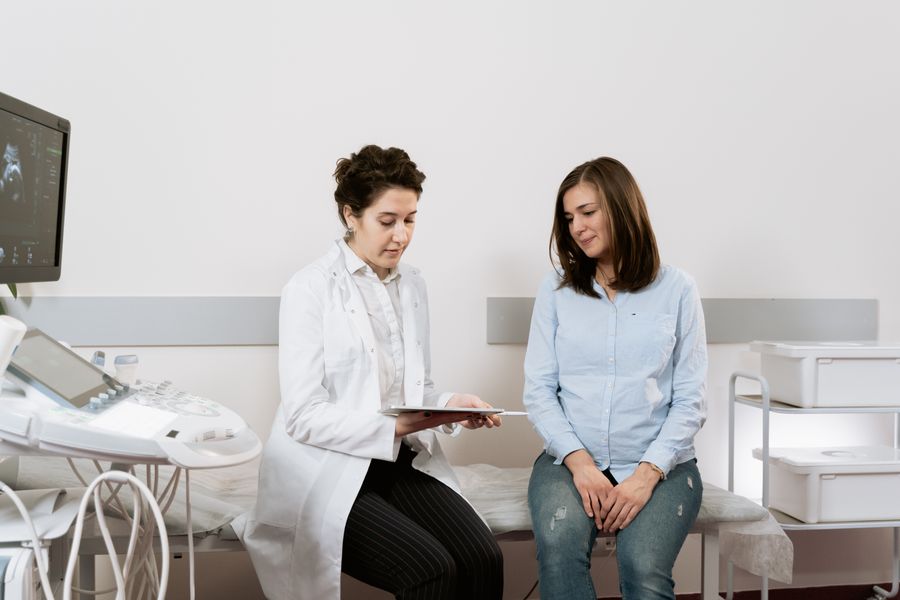
A hysteroscope — a slim tube fitted with a light and camera — is passed through the vagina and cervix into the uterus, allowing the doctor to view the uterine cavity directly on a screen and treat certain conditions in the same sitting.
-
Diagnostic evaluation
The uterine cavity is examined closely to identify polyps, fibroids, adhesions, or the cause of abnormal bleeding.
-
No external incisions
The procedure is performed entirely through the natural passage, with no cuts on the abdomen.
-
Treatment in the same sitting
Polyps, small fibroids, or adhesions found during the procedure can often be removed at the same time.
-
Quick recovery & follow-up
Most patients go home the same day, with a follow-up visit to discuss findings and any biopsy results.
Who can consider Hysteroscopy
Women with heavy, irregular, or postmenopausal bleeding that needs a closer look at the uterine cavity.
Growths inside the uterine cavity that may need removal to relieve symptoms or improve fertility.
Women with repeated miscarriages where a uterine cause, like a septum or adhesions, needs to be checked.
Couples trying to conceive where the uterine cavity needs evaluation for factors affecting implantation.
Patients with suspected retained tissue after childbirth or miscarriage, or scarring from previous procedures.
Patients who prefer a procedure without any external incisions to investigate uterine symptoms.
How Hysteroscopy is carried out
The sequence below is how most hysteroscopy procedures are managed, from the first consultation to follow-up.
Initial evaluation
History, an ultrasound scan and sometimes blood tests help identify why hysteroscopy is being recommended.
Procedure scheduling
The procedure is timed around your cycle when possible, and anaesthesia needs are discussed in advance.
Hysteroscopy
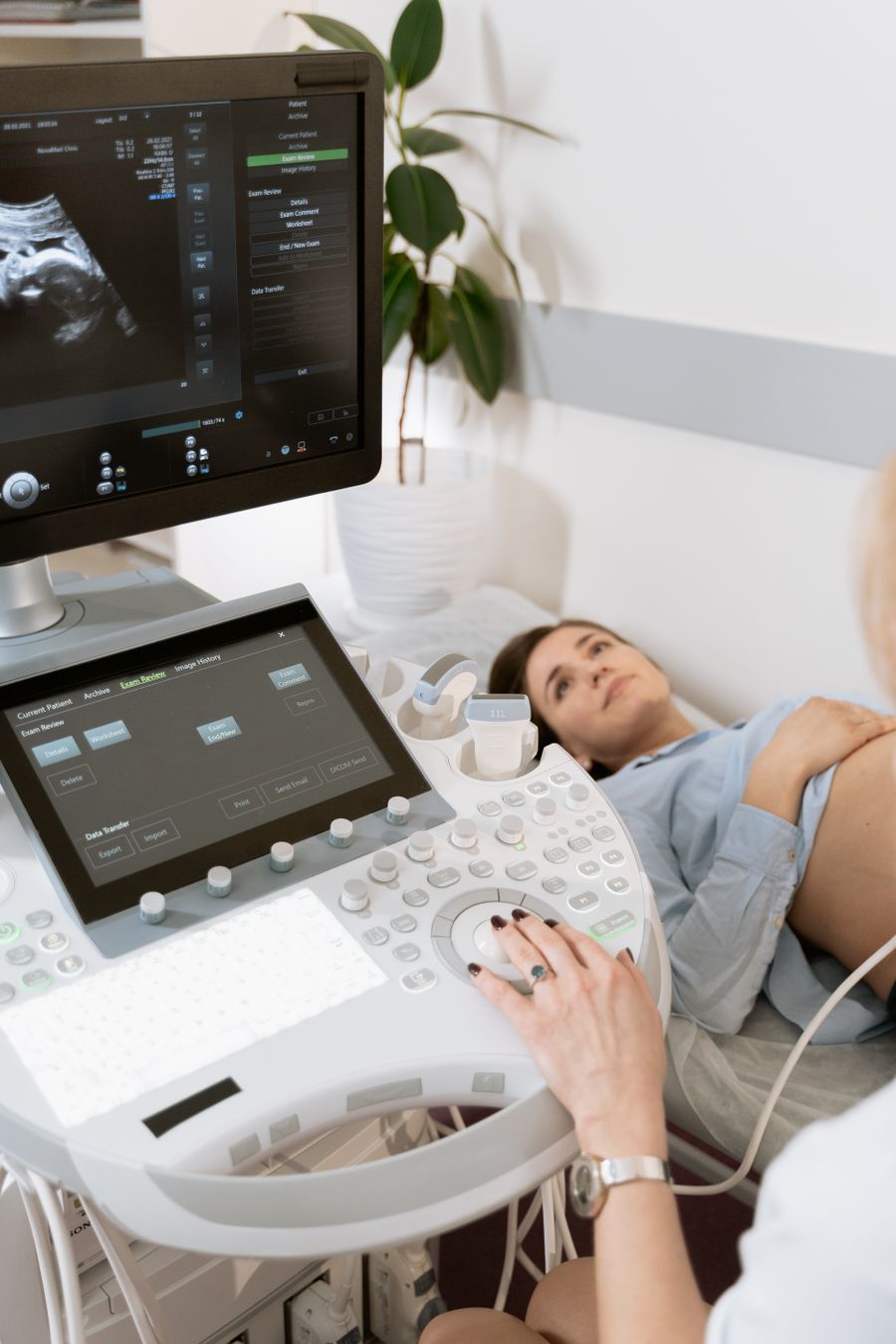
The hysteroscope is passed through the cervix to examine the uterine cavity, with any needed treatment done in the same sitting.
Same-day recovery
Most patients rest briefly and go home the same day, with mild cramping managed easily at home.
Results & follow-up
A follow-up visit discusses the findings, any biopsy results, and next steps for your treatment plan.
What patients gain from Hysteroscopy
Since the procedure is done through the natural passage, there are no visible cuts or stitches afterward.
Many conditions found during the exam, like polyps, can be treated in the same procedure.
Most patients resume normal activity within a day or two, with minimal downtime.
A direct view of the uterine cavity often explains bleeding, fertility, or pregnancy-loss concerns clearly.
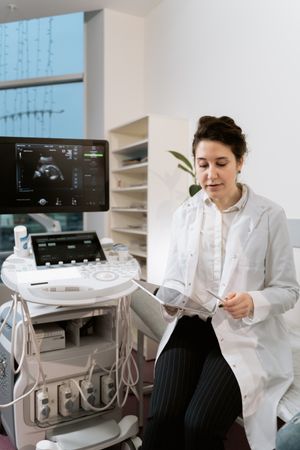
Dr. Mounika
M.B.B.S., DNB (OBG) — Consultant Obstetrician & Gynaecologist, with particular experience in diagnostic and operative hysteroscopy for polyps, fibroids and uterine evaluation
Hysteroscopy guided by an experienced specialist
Dr. Mounika evaluates each patient's symptoms and scans carefully to determine whether hysteroscopy is the right next step for diagnosis or treatment.
Every procedure is planned with your specific condition in mind, with clear follow-up on findings and next steps for your care.
Frequently asked questions
Most patients feel only mild cramping, similar to period pain, and anaesthesia options can make the procedure more comfortable.
Simple diagnostic hysteroscopy may need little or no anaesthesia, while procedures involving treatment often use light sedation or general anaesthesia.
Most patients return to light activity within a day, with full recovery typically within a few days.
Yes — small polyps or fibroids found during hysteroscopy can often be removed in the same sitting, avoiding a separate procedure.
Yes — it helps identify uterine factors like polyps, adhesions or a septum that could affect conception or implantation.
Yes — a follow-up visit reviews the findings, any biopsy results, and what the next steps in your care should be.
Book a consultation for Hysteroscopy
Fill in your details below. When you submit, it opens WhatsApp with your appointment request ready to send to our care team.
- Response within 24 hours
- Bring previous ultrasound or test reports, if any
- Cycle-timed appointments are prioritised