Shoulder Arthroscopy — precise keyhole surgery for a faster comeback
A minimally invasive way to diagnose and treat problems inside the shoulder — a torn rotator cuff, labral tear or impingement — through a few small incisions, with less pain and a quicker return to activity than open surgery.
What Shoulder Arthroscopy actually involves
Shoulder arthroscopy uses a tiny camera and instruments inserted through small incisions to examine and treat the inside of the shoulder directly. It's commonly used to repair a torn rotator cuff, fix a labral tear, release a frozen shoulder or stabilise a joint prone to dislocation, all without opening up the shoulder.
-
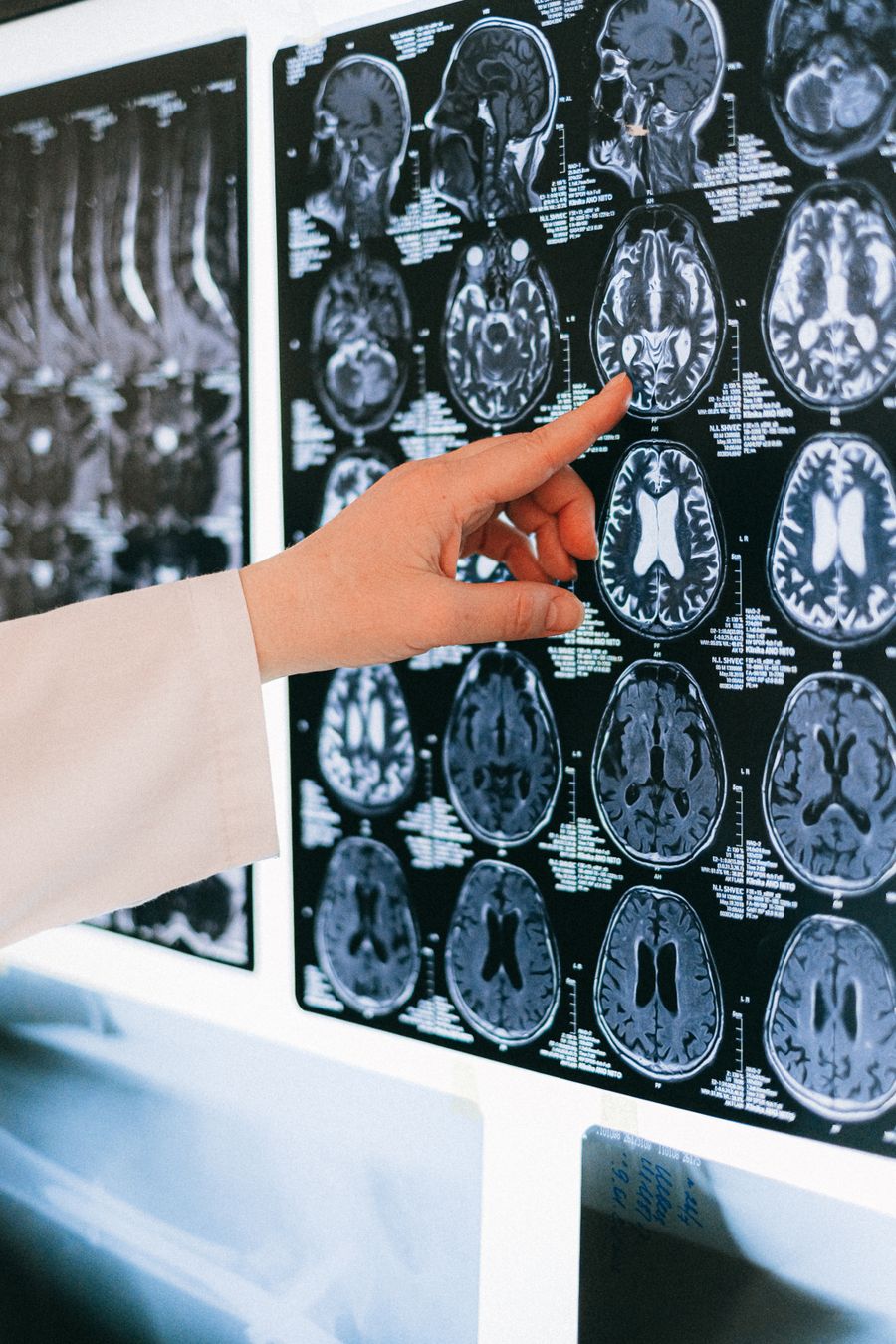
Thorough pre-surgical workup
X-rays, joint alignment assessment and fitness evaluation confirm exactly what's damaged inside the shoulder and guide the surgical plan.
-
Total or partial replacement
Only a few small incisions are needed to access the shoulder joint, keeping the surgery minimally invasive and preserving healthy tissue.
-
Motion restored, not just pain reduced
The goal is fixing the specific problem inside the shoulder — a tear, impingement or instability — with minimal disruption to the surrounding joint.
-
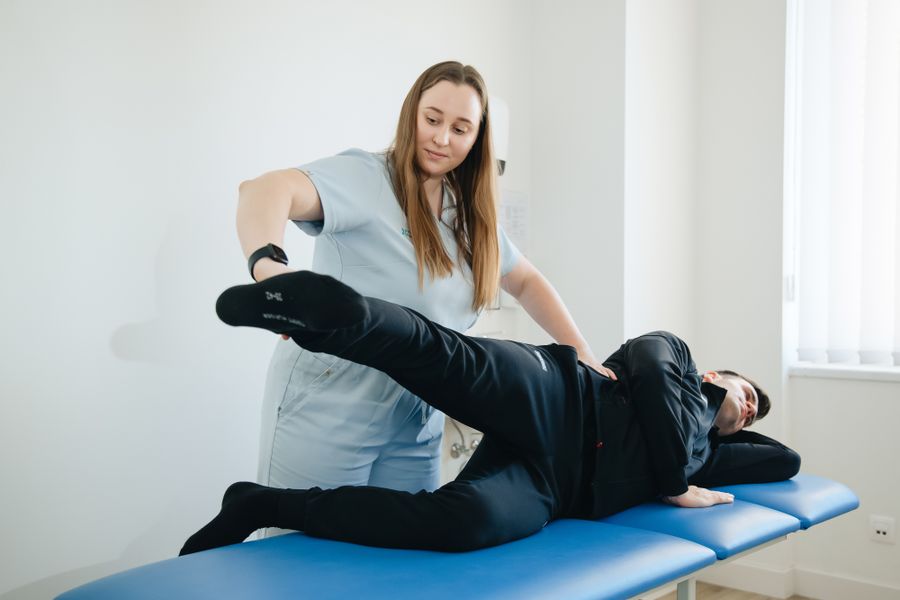
Structured rehabilitation
A guided physiotherapy programme starts within a day of surgery, building strength and range of motion in a controlled way.
When Shoulder Arthroscopy is the right choice
A torn rotator cuff causing weakness, night pain or difficulty lifting the arm that hasn't improved with rest and physiotherapy.
Recurrent shoulder dislocations or a feeling of instability during overhead activity or sport.
Pain with overhead movement caused by tendons rubbing against the shoulder bone, often worse at night or with reaching.
Damage to the cartilage rim around the socket, common in throwing athletes and after a fall onto an outstretched arm.
Persistent stiffness and restricted movement that hasn't improved with stretching, injections or physiotherapy over several months.
Wear at the small joint atop the shoulder causing localised pain, often worse with cross-body movement or lifting.
How Shoulder Arthroscopy is carried out
The sequence below is how most shoulder arthroscopy cases are worked through, from first visit to returning to normal activity.
Evaluation & planning
Examination and X-rays confirm the extent of joint damage and assess the shoulder, and an MRI usually confirms the specific problem and whether arthroscopy is the right approach.
Pre-surgical fitness check
Routine blood work and anaesthesia assessment confirm you're ready; most patients are fit for this same-day or short-stay procedure.
The surgery itself
Small instruments and a camera are inserted through a few tiny incisions around the shoulder to repair, trim or reconstruct the damaged structures, typically completed in 45–75 minutes.
Early mobilisation
Most patients go home the same day, often with the arm supported in a sling initially, and begin gentle guided movement soon after, as advised by the surgical team.
Recovery & follow-up
A structured physiotherapy programme rebuilds strength and range of motion around the shoulder, with scheduled reviews tracking your return to sport or daily activity.
What patients gain from Shoulder Arthroscopy
Smaller incisions mean less post-operative pain than open shoulder surgery.
A few small incisions heal faster and leave far less scarring than traditional open shoulder surgery.
Many patients return to daily activity within days and to sport or overhead work within weeks to months, depending on the procedure.
Most arthroscopic shoulder procedures don't require an overnight hospital stay.

Dr. Lakshmikanth Reddy K
M.B.B.S., D.Ortho, DNB (Ortho) — Consultant Orthopaedic Surgeon with particular experience in arthroscopic shoulder surgery, including rotator cuff repair, labral repair and shoulder stabilisation
Shoulder arthroscopy led by an experienced orthopaedic surgeon
Dr. Lakshmikanth Reddy K evaluates each shoulder carefully, using imaging alongside clinical examination to confirm arthroscopy is the right approach before recommending surgery.
Every plan is tailored to your specific shoulder injury, activity goals and sport, with a rehabilitation pathway geared toward getting you back to what you enjoy doing.
Frequently asked questions
Arthroscopy uses a few small incisions and a camera instead of one large cut, which generally means less pain, smaller scars and a quicker recovery, while achieving the same surgical goal for most shoulder problems.
Most patients walk with support within a day of surgery, manage stairs within a couple of weeks, and resume most daily activities within 6–12 weeks, with strength continuing to improve for several months.
Many patients regain comfortable daily use within a few weeks, though the exact timeline depends on what was repaired — a simple debridement recovers faster than a rotator cuff repair, which needs a longer protected healing phase.
Physiotherapy is essential — it rebuilds strength and range of motion around the new joint and is one of the biggest factors in how well and how quickly a patient recovers.
Often yes, especially after a rotator cuff or labral repair, to protect the repair while it heals. Your surgeon will advise on how long based on the specific procedure performed.
For most cases, yes — patients typically go home the same day. More involved repairs may occasionally need a short overnight stay depending on individual factors.
Book a consultation for Shoulder Arthroscopy
Fill in your details below. When you submit, it opens WhatsApp with your appointment request ready to send to our care team.
- Response within 24 hours
- Bring existing X-rays or scans, if any
- Acute shoulder dislocations are seen the same day