
Infertility IUI — a simpler first step toward pregnancy
Intrauterine Insemination (IUI) places specially prepared sperm directly into the uterus around ovulation — a straightforward, low-intervention fertility treatment for many couples trying to conceive.
What Infertility IUI actually involves
Intrauterine Insemination (IUI) is a fertility treatment where washed, concentrated sperm is placed directly into the uterus close to the time of ovulation, increasing the chances of fertilisation by shortening the distance sperm need to travel.
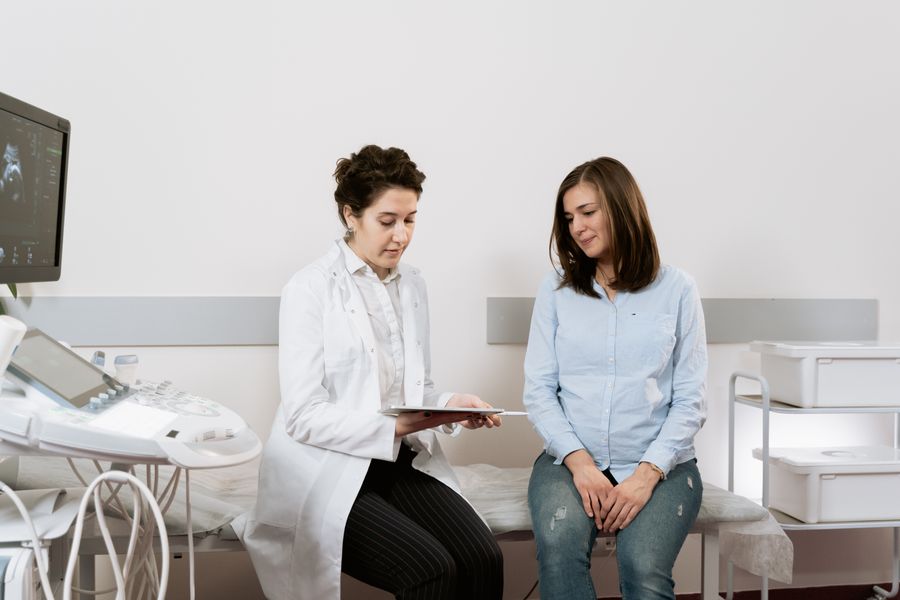
-
Ovulation tracking
Follicle growth is monitored with scans and, if needed, mild ovulation-stimulating medication to time the procedure precisely.
-
Sperm preparation
The sperm sample is washed and concentrated in the lab to select the healthiest, most motile sperm for insemination.
-
A quick, painless procedure
A thin catheter delivers the prepared sperm directly into the uterus — usually done without anaesthesia in a matter of minutes.
-
Follow-up support
A pregnancy test and follow-up consultation after the procedure confirm the outcome and guide the next step if needed.
Who can consider Infertility IUI
Couples who haven't conceived despite normal test results on both sides.
Cases with slightly reduced sperm count or motility, where washing and concentrating the sample can help.
Women with irregular or infrequent ovulation who benefit from timed insemination alongside ovulation induction.
When cervical mucus or cervical issues make it harder for sperm to reach the uterus naturally.
Single women or couples using donor sperm often find IUI a common, effective route to pregnancy.
For many, IUI is a less invasive and more affordable step to attempt before moving to IVF.
How Infertility IUI is carried out
The sequence below is how most IUI cycles are managed, from the first consultation to the pregnancy test.
Initial fertility evaluation
History, hormone tests and a pelvic scan assess your fertility profile and confirm IUI is a suitable option.
Ovulation monitoring
Follicle growth is tracked through the cycle using ultrasound scans, with medication used if ovulation needs support.
Sperm collection & preparation
A fresh or donor sample is processed in the lab to concentrate the most active, healthy sperm.
Insemination
Once ovulation is confirmed, the prepared sperm is placed into the uterus using a thin, soft catheter — a quick outpatient procedure.
Pregnancy test & follow-up
About two weeks later, a blood test confirms whether the cycle was successful, with your doctor guiding the next step either way.
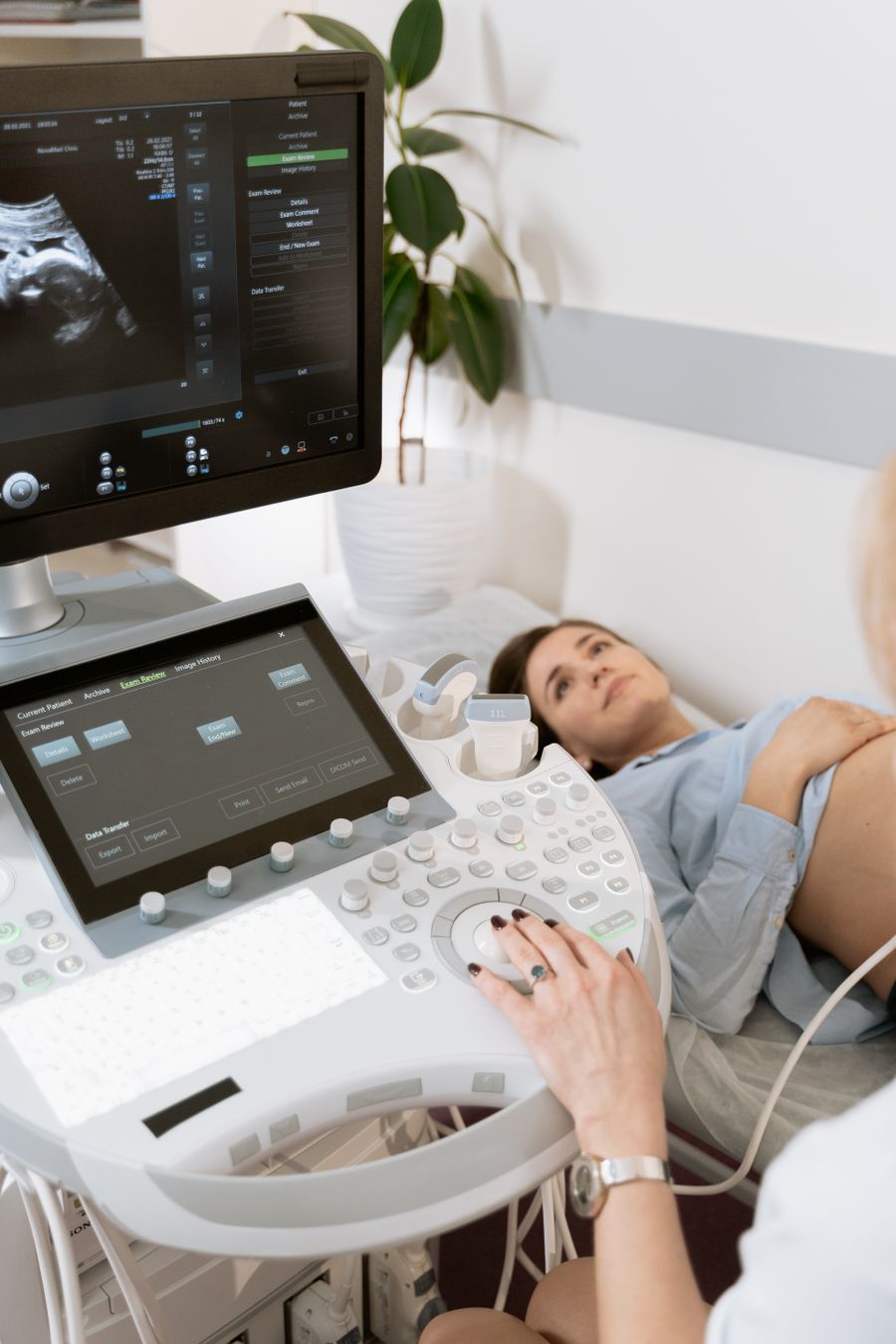
What patients gain from Infertility IUI
No surgery or anaesthesia is needed — the procedure itself takes only a few minutes.
IUI is typically less expensive than IVF, making it a reasonable starting point for many couples.
Most patients resume normal activity immediately after the procedure.
Every step — from ovulation tracking to the pregnancy test — is monitored and explained along the way.
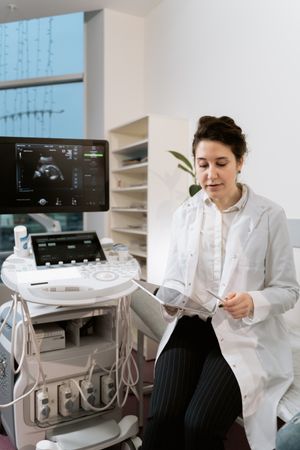
Dr. Mounika
M.B.B.S., DNB (OBG) — Consultant Obstetrician & Gynaecologist, Infertility Specialist, with particular experience in ovulation induction, IUI cycle management and fertility evaluation
Infertility IUI guided by an experienced specialist
Dr. Mounika evaluates each couple's fertility profile carefully, using hormone tests and scans to confirm whether IUI is the right starting point for your journey.
Every treatment cycle is tailored to your specific fertility factors, with ovulation tracking and follow-up guidance geared toward giving you the best possible chance.
Frequently asked questions
Success rates vary with age, the cause of infertility and whether ovulation-stimulating medication is used; your doctor can give you a realistic estimate based on your specific case.
Most women feel only mild discomfort, similar to a Pap smear, and the procedure itself takes just a few minutes.
Many couples try a few cycles before considering other options, though this depends on individual circumstances and your doctor's assessment.
Some cycles use mild ovulation-stimulating medication, while others are timed around a natural cycle — your doctor will recommend what suits you.
Yes — IUI doesn't require anaesthesia or downtime, so most patients resume normal activities right after.
If a few cycles aren't successful, your doctor will discuss other options, including IVF, based on your evaluation.
Book a consultation for Infertility IUI
Fill in your details below. When you submit, it opens WhatsApp with your appointment request ready to send to our care team.
- Response within 24 hours
- Bring previous fertility test reports or scans, if any
- Cycle-timed appointments are prioritised