
Joint Pain Treatment that starts with getting to the cause
A structured, stage-by-stage approach to knee, hip, shoulder and other joint pain — from thorough evaluation through conservative care, and surgery only where it's truly needed.
What joint pain treatment actually involves
Joint pain rarely has one single cause, so treatment starts with pinning down exactly what's driving it — wear and tear, inflammation, an old injury, or muscle imbalance — and then works through the least invasive options first, escalating only as far as your joint actually needs.
-
Accurate diagnosis first
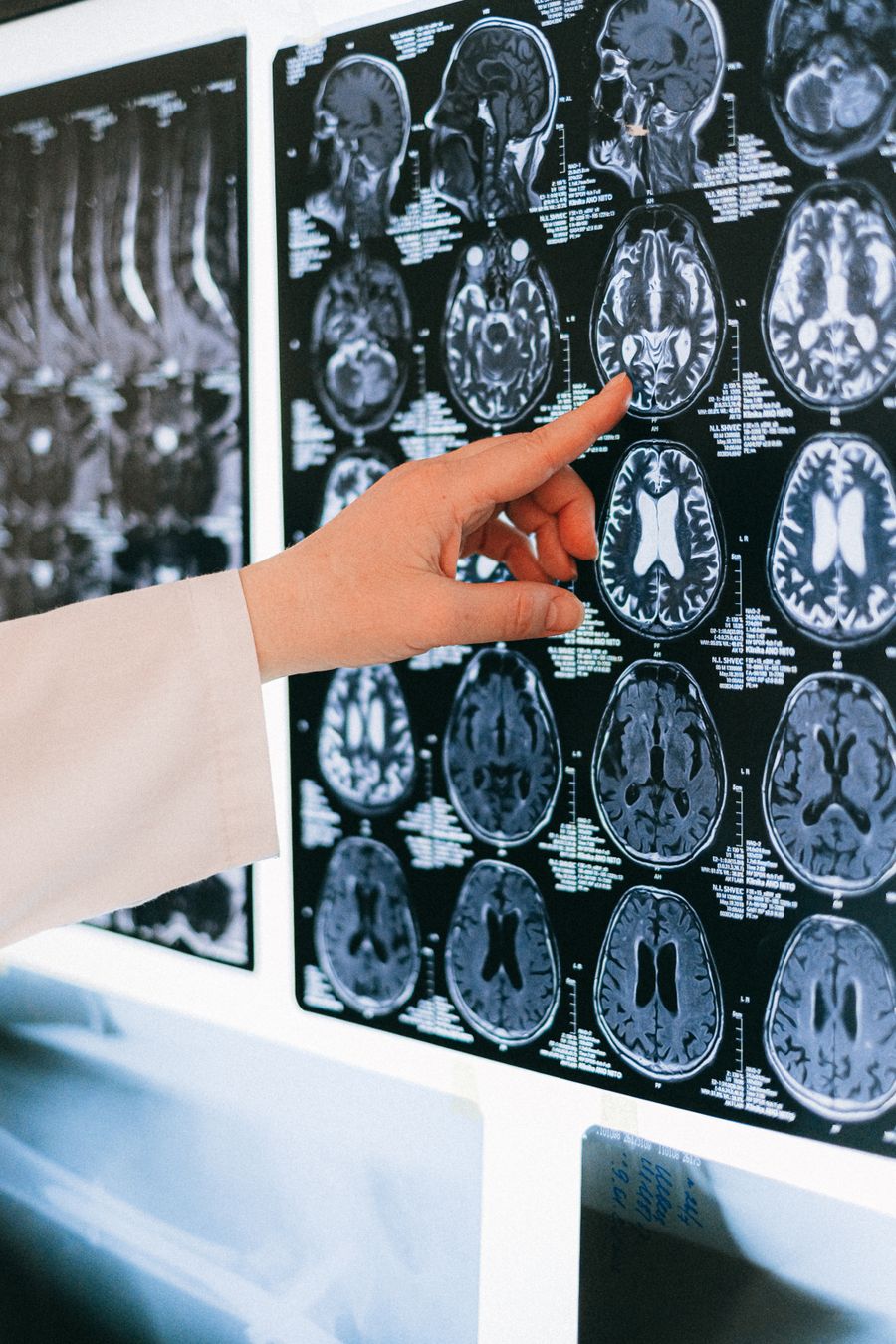
Clinical examination and imaging identify the exact source of pain — cartilage wear, ligament strain, inflammation, or nerve involvement — before any treatment is planned.
-
Staged, escalating care
Medication, physiotherapy and lifestyle changes are tried first, with injections and other advanced options reserved for pain that doesn't respond.
-
Function-focused, not just pain relief
The goal is restoring movement and strength around the joint, not just numbing pain, so improvement holds up in daily activity.
-
Surgery only when it's the right step
If the joint has advanced damage that conservative care can't fix, surgical options are discussed clearly, with realistic expectations for recovery.
Joint conditions we commonly treat
Cartilage wear causing stiffness, swelling, and pain that's worse with activity or at the end of the day.
Progressive shoulder stiffness and pain that restricts overhead movement and everyday reach.
Sports or twisting injuries causing knee instability, catching, or pain going up and down stairs.
Overuse inflammation around the shoulder, elbow, hip or knee that flares with repetitive activity.
Autoimmune joint inflammation causing morning stiffness, swelling and pain in multiple joints.
Reduced joint movement after a healed fracture or previous surgery, needing targeted rehabilitation.
How we work through your joint pain
Every joint and every patient is different, but the sequence below is how most cases of joint pain are worked through, from first visit to a lasting plan.
Clinical evaluation
A detailed history and hands-on examination assess how the joint moves, where it hurts, and what makes it better or worse.
Imaging & diagnosis
X-rays, ultrasound or MRI, where needed, confirm the exact cause and severity so treatment targets the right problem.
Conservative management
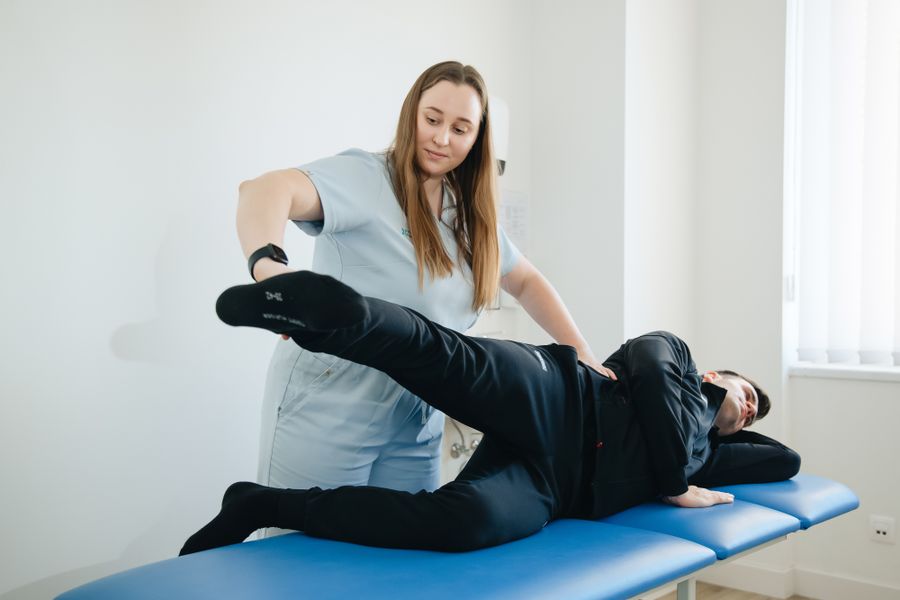
Medication, physiotherapy, bracing and activity modification are started to calm pain and rebuild strength around the joint.
Advanced non-surgical options
For pain that persists, image-guided injections such as steroid, viscosupplementation or PRP can be considered before surgery is discussed.
Surgical referral, if needed
When the joint has advanced damage that conservative options can't reverse, surgical solutions are explained clearly, with a rehabilitation plan mapped out alongside.
What patients gain from a staged treatment plan
Nothing is prescribed until the actual source of pain is confirmed.
Most joint pain responds well to conservative care alone, with less downtime.
Clear steps and realistic timelines make it easier to stick with treatment.
Strengthening and movement work aim to protect the joint, not just quiet it for a while.

Dr. Lakshmikanth Reddy K
M.B.B.S., D.Ortho, DNB (Ortho) — Consultant Orthopaedic Surgeon, treating joint pain across the knee, hip, shoulder and other joints, with a strong non-surgical-first philosophy
Joint pain care led by an experienced orthopaedic surgeon
Dr. Lakshmikanth Reddy K assesses joint pain thoroughly before recommending treatment, working through medication, physiotherapy and injection-based options first, and reserving surgery for cases where the joint genuinely needs it.
Every plan is built around your specific joint, activity level and goals, with regular reviews to track how you're responding and adjust the approach as needed.
Frequently asked questions
No. Most joint pain is managed successfully with medication, physiotherapy and lifestyle changes alone. Surgery is only considered when conservative treatment has been tried and the joint still isn't functioning well enough.
Many patients notice improvement within 2–4 weeks of starting a structured plan, though the exact timeline depends on the condition and how long it's been present. Chronic or advanced cases naturally take longer.
Image-guided injections are generally safe and well-tolerated when performed by a trained specialist. Your surgeon will discuss the specific type recommended for your condition and its expected benefits and limits.
Physiotherapy is often central to treatment — strengthening the muscles around a joint reduces load on it and improves stability, which for many patients is what actually resolves the pain long-term.
Sudden severe pain, inability to bear weight, a hot or significantly swollen joint, or pain following an injury should be assessed promptly rather than waiting for a routine appointment.
It's still worth a fresh evaluation. Long-standing pain can often be helped further than patients expect, and if the joint has progressed to needing surgery, that can be discussed clearly alongside its alternatives.
Book a consultation for your joint pain
Fill in your details below. When you submit, it opens WhatsApp with your appointment request ready to send to our care team.
- Response within 24 hours
- Bring existing X-rays or scans, if any
- Severe or sudden joint pain is seen the same day