
Hip Arthroplasty for lasting relief from a worn-out hip
A precise, outcome-focused approach to total and partial hip replacement — from careful evaluation through the latest implant techniques and a structured recovery plan that gets you walking again.
What Hip Arthroplasty actually involves
Hip arthroplasty resurfaces a hip joint worn down by arthritis or injury, replacing the damaged ball and socket with smooth metal, ceramic or polyethylene implants so the joint can move without the grinding pain of bone on bone. It's considered only once conservative treatment has stopped giving lasting relief.

-
Thorough pre-surgical workup
X-rays, joint alignment assessment and fitness evaluation confirm the hip is ready for surgery and guide the implant choice.
-
Total or partial replacement
Depending on the extent of damage, either a total hip replacement or a resurfacing procedure is chosen to fit your hip.
-
Motion restored, not just pain reduced
The goal is a hip that moves freely and bears weight properly again, so walking and day-to-day activity feel normal.
-
Structured rehabilitation
A guided physiotherapy programme starts within a day of surgery, building strength and range of motion in a controlled way.
Signs your hip may need arthroplasty
Bone-on-bone wear on X-ray with groin or thigh pain that no longer responds to medication, injections or physiotherapy.
Difficulty rotating, bending or bearing weight on the hip, making walking, sitting and putting on shoes hard.
A noticeable limp or leg-length difference that has developed as the hip joint wears unevenly over the years.
Joint damage that developed years after an old hip fracture or injury around the joint.
Autoimmune joint destruction that has advanced despite medical management, limiting daily function.
A hip that hasn't held up well after an earlier procedure and now needs a definitive, lasting solution.
How Hip Arthroplasty is carried out
Every hip is planned individually, but the sequence below is how most hip replacement cases are worked through, from first visit to walking on the new joint.
Evaluation & planning
Examination and X-rays confirm the extent of joint damage and map out alignment, sizing and the right implant for your hip.
Pre-surgical fitness check
Blood work, anaesthesia assessment and, where needed, cardiac clearance confirm you're ready for surgery safely.
The surgery itself
The worn ball and socket are removed and replaced with precision-fitted implants, typically completed in 60–90 minutes.
Early mobilisation
Standing and walking with support usually begin the day after surgery, guided by the physiotherapy team from day one.
Recovery & follow-up
A structured rehab plan and scheduled reviews track healing, strength and range of motion over the following weeks and months.
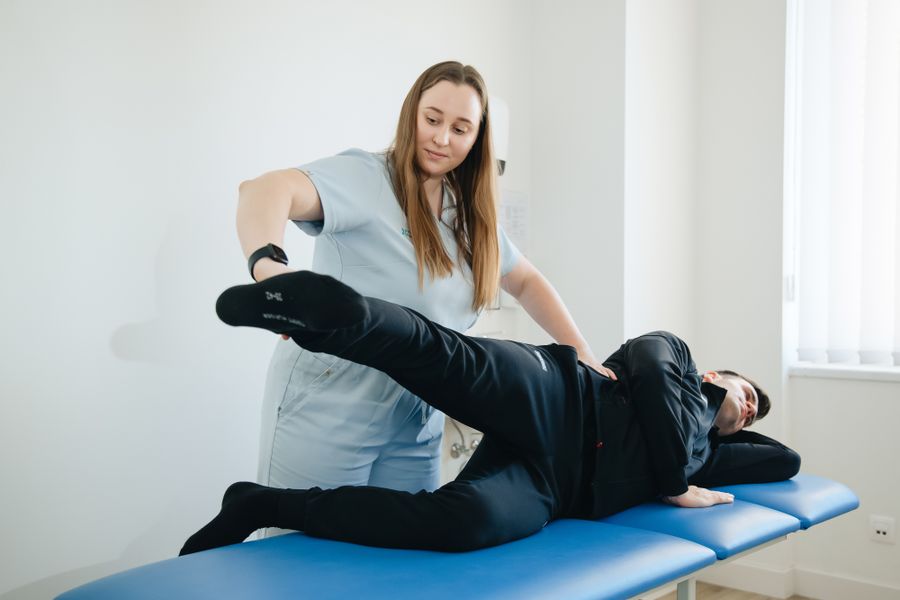
What patients gain from Hip Arthroplasty
Most patients see dramatic, durable relief from the bone-on-bone pain that limited them before surgery.
A well-functioning hip makes walking, climbing stairs and everyday movement easier again.
Today's implants are built to hold up for many years of normal daily activity.
Most patients return to routine activities within weeks, with continued improvement over the following months.

Dr. Lakshmikanth Reddy K
M.B.B.S., D.Ortho, DNB (Ortho) — Consultant Orthopaedic Surgeon specialising in total and partial hip arthroplasty, with a focus on precise implant alignment and rapid, structured recovery
Hip replacement care led by an experienced orthopaedic surgeon
Dr. Lakshmikanth Reddy K evaluates every hip thoroughly to confirm arthroplasty is the right step, then plans implant selection and alignment with precision before the day of surgery.
Every plan is built around your specific hip, activity level and goals, with a structured rehabilitation pathway and regular reviews to track recovery.
Frequently asked questions
It's generally considered once X-rays show significant joint wear and groin, thigh or buttock pain no longer responds to medication, injections or physiotherapy. A clinical evaluation confirms whether it's the right step for you.
Most patients walk with support within a day of surgery, manage stairs within a couple of weeks, and resume most daily activities within 6–12 weeks, with strength continuing to improve for several months.
Modern hip implants commonly last 20 years or more with normal use, though longevity depends on activity level, weight and how well post-op guidance is followed.
Physiotherapy is essential — it rebuilds strength and range of motion around the new joint and is one of the biggest factors in how well and how quickly a patient recovers.
That depends on your age, bone quality and how much of the joint is damaged. Total hip replacement suits most patients, while resurfacing may be an option for select younger, active patients. Imaging and examination determine which fits your hip.
Hip arthroplasty is a well-established, commonly performed procedure with a strong safety record. Your surgeon will review your specific health factors and discuss risks and precautions during evaluation.
Book a consultation for Hip Arthroplasty
Fill in your details below. When you submit, it opens WhatsApp with your appointment request ready to send to our care team.
- Response within 24 hours
- Bring existing X-rays or scans, if any
- Severe or sudden hip pain is seen the same day