
Hand Surgery — restoring function to your hand and wrist
A precise surgical approach to hand and wrist conditions — from nerve compression and fractures to tendon injuries — designed to relieve pain and restore the fine movement your hand needs for daily life.
What Hand Surgery actually involves
Hand surgery covers a wide range of procedures — releasing a compressed nerve, repairing a torn tendon, fixing a fracture, or freeing a contracted finger — tailored to the specific structure that's affected. Most procedures are done under local or regional anaesthesia through small, precise incisions.

-
Thorough pre-surgical workup
X-rays, joint alignment assessment and fitness evaluation confirm exactly which structure — nerve, tendon, bone or joint — needs treatment and guide the surgical plan.
-
Total or partial replacement
Small, precise incisions are used to access the affected nerve, tendon or bone with minimal disruption to surrounding tissue.
-
Motion restored, not just pain reduced
The goal is restoring pain-free movement and grip so the hand can go back to everyday tasks, work and hobbies.
-
Structured rehabilitation
A guided physiotherapy programme starts within a day of surgery, building strength and range of motion in a controlled way.
When Hand Surgery is needed
Carpal tunnel syndrome causing numbness, tingling or weakness in the hand that hasn't improved with splinting or injections.
Trigger finger, where a finger catches or locks when bending, caused by a thickened tendon sheath.
Broken bones in the hand or wrist from a fall or injury that need precise realignment and fixation to heal correctly.
Cuts or injuries that have damaged a tendon or nerve, affecting movement, sensation or grip strength.
Thickened tissue in the palm pulling one or more fingers into a bent position that interferes with hand use.
Joint wear causing persistent pain, swelling or deformity that hasn't responded to medication or splinting.
How Hand Surgery is carried out
The sequence below is how most hand surgery cases are worked through, from first visit to returning to daily activity.
Evaluation & planning
Examination and X-rays confirm the extent of joint damage and assess the hand, and X-rays, ultrasound or nerve conduction studies confirm the exact problem and the right surgical approach.
Pre-surgical fitness check
Routine blood work and anaesthesia assessment confirm you're ready; most hand procedures are done under local or regional anaesthesia as a day-care surgery.
The surgery itself
The specific structure is repaired, released or fixed through small, precise incisions, with the procedure typically taking 30–60 minutes depending on complexity.
Early mobilisation
Most patients go home the same day with a splint or dressing, and gentle finger movement is encouraged early to prevent stiffness.
Recovery & follow-up
A structured hand therapy programme rebuilds strength, dexterity and range of motion, with scheduled reviews tracking your return to normal use.
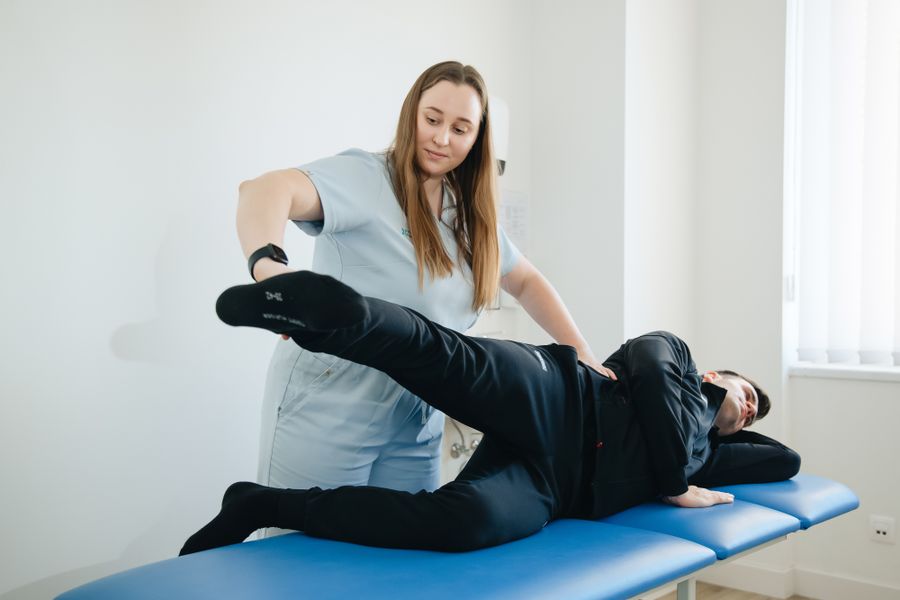
What patients gain from Hand Surgery
Relief from nerve or tendon-related pain, numbness or catching that was limiting hand use.
Small, precise incisions mean less scarring and a quicker return to fine motor tasks.
Most procedures are day-care surgery, so there's no need for an overnight hospital stay.
Restored grip strength and dexterity make it easier to return to work, hobbies and everyday tasks.

Dr. Lakshmikanth Reddy K
M.B.B.S., D.Ortho, DNB (Ortho) — Consultant Orthopaedic Surgeon with particular experience in hand and wrist surgery, including nerve release, tendon repair and fracture fixation
Hand surgery led by an experienced orthopaedic surgeon
Dr. Lakshmikanth Reddy K evaluates each hand and wrist condition carefully, using examination and targeted imaging to confirm surgery is the right approach before recommending it.
Every plan is tailored to your specific hand condition, daily needs and hand-use demands, with a rehabilitation pathway geared toward getting back to full function.
Frequently asked questions
Recovery varies by procedure — a carpal tunnel release often allows light use within a couple of weeks, while a tendon repair or fracture may need 6–12 weeks of protected healing and therapy for a full return to function.
Most patients walk with support within a day of surgery, manage stairs within a couple of weeks, and resume most daily activities within 6–12 weeks, with strength continuing to improve for several months.
Often yes, for a period during early healing, to protect the repair while it settles. Your surgeon will advise on the type and duration based on your specific procedure.
Physiotherapy is essential — it rebuilds strength and range of motion around the new joint and is one of the biggest factors in how well and how quickly a patient recovers.
For many procedures, yes — guided hand therapy plays a big role in regaining full strength, dexterity and range of motion, especially after tendon or nerve repair.
For most conditions, yes — patients typically go home the same day. Your surgeon will let you know if your specific procedure needs a short stay.
Book a consultation for Hand Surgery
Fill in your details below. When you submit, it opens WhatsApp with your appointment request ready to send to our care team.
- Response within 24 hours
- Bring existing X-rays or scans, if any
- Acute hand injuries and fractures are seen the same day