
High-Risk Pregnancy Care — closer monitoring for a safer pregnancy journey
Specialised, closely monitored care for pregnancies with added risk factors — from gestational diabetes and high blood pressure to multiple pregnancies — designed to protect both mother and baby at every stage.
What High-Risk Pregnancy Care actually involves
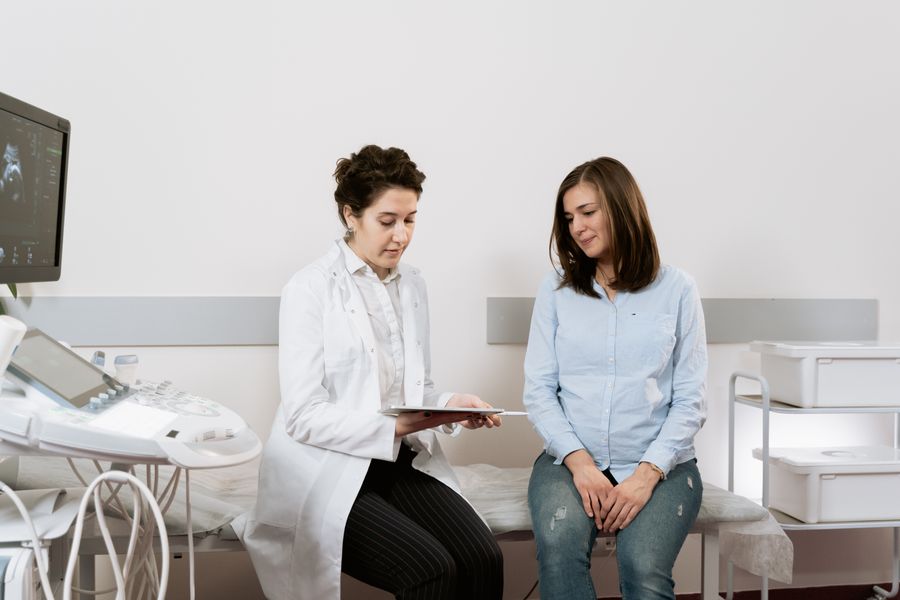
High-risk pregnancy care means closer, more frequent monitoring for pregnancies with added risk factors — such as gestational diabetes, high blood pressure, multiple pregnancies, or a previous complicated delivery — with a plan tailored to keep both mother and baby safe through every stage.
-
Detailed risk assessment
Medical history, prior pregnancies and early scans identify exactly which risk factors need closer attention and shape your individual care plan.
-
Frequent monitoring visits
Extra ultrasounds, blood pressure checks and lab tests track how you and your baby are doing at each stage of pregnancy.
-
A safer delivery, not just a due date
The goal is guiding you to the safest possible delivery, with a plan built around your specific risk factors rather than a generic schedule.
-
Coordinated support team
Quick access to specialist referrals, NICU backup and round-the-clock guidance whenever a question or concern comes up.
When High-Risk Pregnancy Care is needed
Blood sugar levels that rise during pregnancy and need close monitoring to protect both mother and baby.
High blood pressure during pregnancy that needs regular checks to catch complications early.
Carrying twins or more, which needs more frequent scans and a closer delivery plan.
A history of miscarriage, preterm birth or a difficult delivery that calls for extra precaution this time.
Pregnancies after 35 years, where added monitoring helps manage age-related risk factors.
Conditions like thyroid disorders, heart disease or obesity that need to be managed carefully alongside the pregnancy.
How High-Risk Pregnancy Care is carried out
The sequence below is how most high-risk pregnancies are followed, from the first visit through to delivery.
First consultation & risk assessment
A detailed history, examination and early scans identify your specific risk factors and set the direction of your care plan.
Baseline tests
Blood work, blood pressure checks and an early ultrasound confirm your starting point and flag anything that needs closer attention.
Regular monitoring through pregnancy
Scheduled scans, blood pressure checks and lab tests track your baby's growth and your own health at each stage.
Specialist coordination as needed
Referrals to a diabetologist, cardiologist or other specialist are arranged promptly if a risk factor calls for it.
Delivery planning
As you approach term, a delivery plan is finalised around your specific risk factors, with NICU support arranged in advance if needed.
What patients gain from High-Risk Pregnancy Care
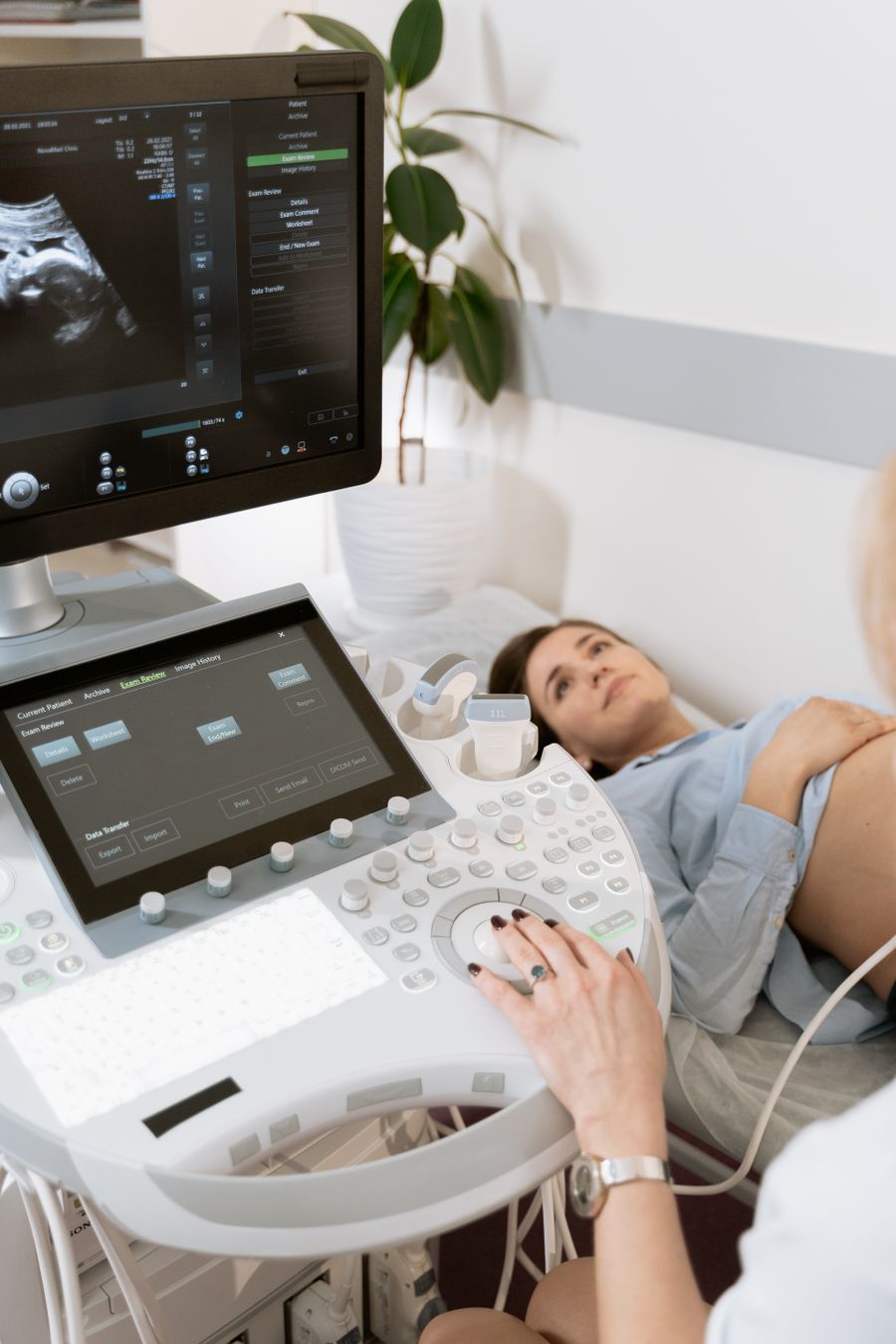
Regular monitoring catches issues like rising blood pressure or slowed growth while they're still manageable.
Care is tailored to your specific condition, not a one-size-fits-all pregnancy schedule.
Quick access to the right specialists means less delay if a concern comes up.
A clear, prepared delivery plan — with NICU backup arranged where needed — for both mother and baby.
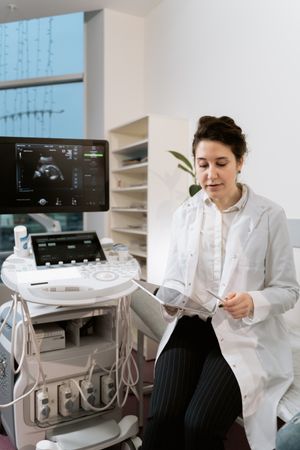
Dr. Mounika
M.B.B.S., DNB (OBG) — Consultant Obstetrician & Gynaecologist, Infertility Specialist, with particular experience in managing high-risk pregnancies including gestational diabetes, hypertensive disorders and multiple pregnancies
High-risk pregnancy care led by an experienced obstetrician
Dr. Mounika evaluates each pregnancy carefully, using examination and targeted screening to identify risk factors early and guide the right level of monitoring and care.
Every plan is tailored to your specific risk factors and pregnancy history, with a monitoring and delivery pathway geared toward a safe outcome for both mother and baby.
Frequently asked questions
Visit frequency depends on your specific risk factors — some pregnancies are monitored every 2–4 weeks, while higher-risk cases may need weekly visits closer to delivery.
Factors like gestational diabetes, high blood pressure, multiple pregnancy, advanced maternal age or a prior pregnancy complication can all classify a pregnancy as high-risk.
Often yes — additional ultrasounds, blood tests and blood pressure checks help track your baby's growth and flag any complications early.
Many high-risk pregnancies do go on to a normal delivery. Your care team will guide the safest delivery approach based on how your pregnancy progresses.
For pregnancies where it may be needed, NICU backup is arranged ahead of delivery so your baby has immediate specialist care if required.
Reach out to your care team right away — for a high-risk pregnancy, symptoms like severe headaches, reduced baby movement or swelling need prompt attention.
Book a consultation for High-Risk Pregnancy Care
Fill in your details below. When you submit, it opens WhatsApp with your appointment request ready to send to our care team.
- Response within 24 hours
- Bring previous pregnancy records or scans, if any
- Urgent pregnancy concerns are seen the same day