
TLH – Total Laparoscopic Hysterectomy — minimally invasive uterine surgery
Total Laparoscopic Hysterectomy is a minimally invasive surgical procedure used to remove the uterus through small abdominal incisions, offering precise surgical care with less scarring and a potentially faster recovery than traditional open surgery.
What Total Laparoscopic Hysterectomy involves
Total Laparoscopic Hysterectomy, or TLH, is a minimally invasive surgical procedure in which the uterus and cervix are removed using a laparoscopic approach. The surgeon works through small abdominal incisions using a camera and specialised instruments.
-
Minimally invasive approach
TLH is performed through small abdominal incisions rather than the larger incision used in traditional open abdominal surgery.
-
Small abdominal incisions
A camera and specialised laparoscopic instruments are inserted through small openings in the abdomen to perform the surgery.
-
Precise surgical visualisation
A high-definition laparoscopic camera provides a magnified view of the pelvic structures, helping the surgeon work with precision.
-
Recovery-focused care
Compared with open abdominal surgery, laparoscopic hysterectomy may offer less postoperative discomfort, smaller scars and a shorter recovery period for suitable patients.
Conditions that may require Total Laparoscopic Hysterectomy
Large or symptomatic uterine fibroids causing heavy bleeding, pelvic pressure, pain or other significant symptoms may require surgical treatment.
Persistent heavy or abnormal uterine bleeding that does not improve with appropriate medical treatment may require surgery.
Adenomyosis can cause painful periods, heavy menstrual bleeding and chronic pelvic discomfort. Surgery may be considered when symptoms are severe and other treatments are unsuccessful.
In selected patients with a confirmed uterine cause of persistent pelvic pain, hysterectomy may be considered after appropriate evaluation.
When the uterus has descended into the vaginal canal and surgical treatment is recommended, hysterectomy may form part of the overall surgical plan.
TLH may also be considered for selected benign gynaecological conditions when removal of the uterus is clinically appropriate.
How Total Laparoscopic Hysterectomy is carried out
Your surgical journey usually begins with a detailed gynaecological evaluation and continues through personalised surgical planning, laparoscopic surgery and postoperative follow-up.
Initial evaluation
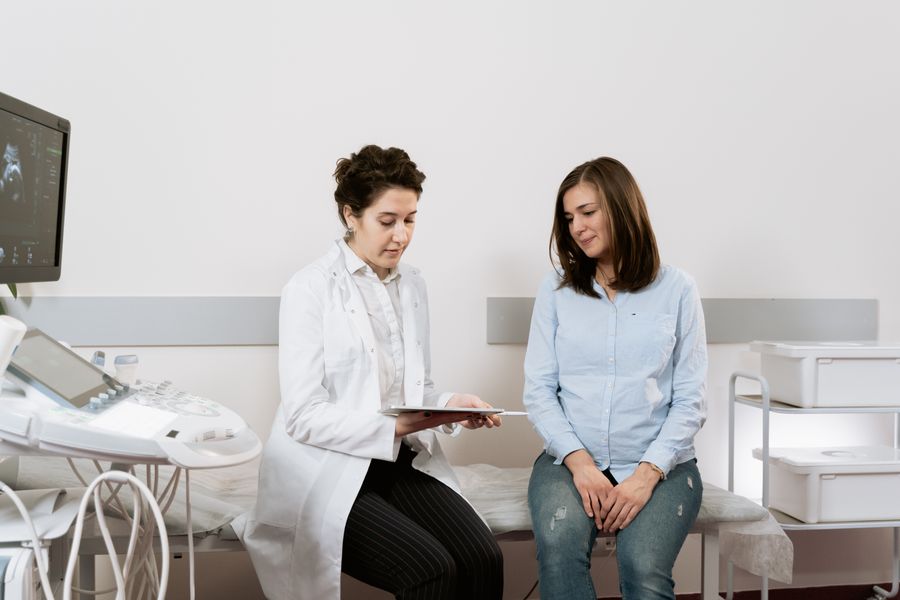
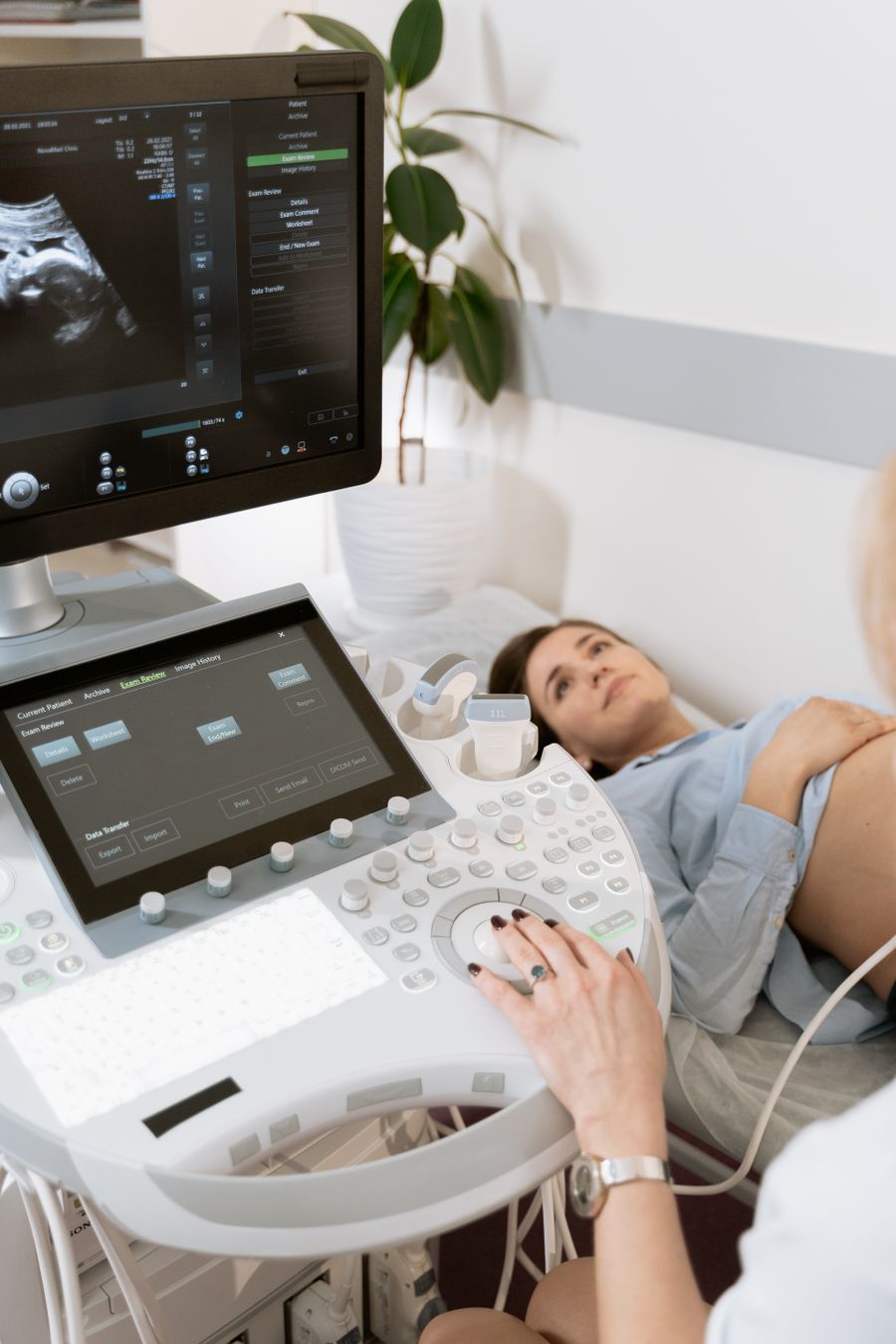
Your doctor reviews your symptoms, medical history and previous investigations. Ultrasound or other imaging may be recommended to understand the condition and plan treatment.
Pre-operative planning
Necessary blood tests, anaesthesia assessment and other preoperative checks are completed before surgery. Your surgeon explains the procedure, possible risks and recovery plan.
Laparoscopic surgery
Under appropriate anaesthesia, the surgeon makes small abdominal incisions and uses a laparoscopic camera and specialised instruments to remove the uterus and cervix.
Postoperative recovery
After surgery, you are monitored during recovery and given appropriate pain relief and postoperative instructions. The length of hospital stay depends on your individual recovery.
Follow-up & recovery guidance
Follow-up appointments help monitor healing, review any pathology results and guide your gradual return to normal activities.
Potential benefits of Total Laparoscopic Hysterectomy
TLH uses small abdominal openings rather than the larger incision associated with traditional open hysterectomy.
Many suitable patients experience less pain after laparoscopic surgery compared with traditional open abdominal surgery.
For appropriate patients, laparoscopic surgery can allow a faster return to everyday activities than open surgery.
The small laparoscopic entry points generally result in smaller visible scars compared with a traditional abdominal incision.
Dr. Mounika
M.B.B.S., DNB (OBG) — Consultant Obstetrician & Gynaecologist, providing personalised evaluation and minimally invasive gynaecological surgical care including laparoscopic procedures.
TLH planned around your individual gynaecological needs
Dr. Mounika evaluates each patient's symptoms, medical history, examination findings and investigations to determine whether laparoscopic hysterectomy is an appropriate treatment option.
The surgical approach is planned carefully, with attention to patient safety, individual anatomy, underlying condition and postoperative recovery.
Frequently asked questions about TLH
TLH is a minimally invasive hysterectomy in which the uterus and cervix are removed using laparoscopic instruments introduced through small abdominal incisions.
For appropriately selected patients, laparoscopic hysterectomy can offer benefits such as smaller incisions, less postoperative discomfort and potentially faster recovery. The best approach depends on the patient's condition and surgical assessment.
Recovery varies from person to person. Many patients can return gradually to light daily activities within a few weeks, while complete recovery may take several weeks depending on the procedure and individual healing.
TLH uses small abdominal incisions, so the resulting scars are generally much smaller than the single larger incision used for traditional open abdominal hysterectomy.
TLH is generally performed under general anaesthesia. Your anaesthesia team will evaluate your health and explain the anaesthesia plan before surgery.
Yes. Follow-up appointments are important to monitor healing, discuss pathology results when applicable and guide your return to normal activities.
Book a consultation for TLH
Fill in your details below. When you submit, WhatsApp will open with your appointment request ready to send to our care team.
- Response within 24 hours
- Bring previous scan or test reports, if available
- Individual surgical planning and assessment