Normal Painless Delivery — a comfortable, natural birthing experience
A natural, vaginal delivery supported by modern pain-relief methods like epidural analgesia — so you stay alert, in control, and significantly more comfortable through labour and birth.
What Normal Painless Delivery actually involves
Normal painless delivery combines natural labour with modern pain-relief methods — most commonly epidural analgesia — so you go through childbirth with far less pain, while still delivering vaginally wherever it's safe to do so.
-
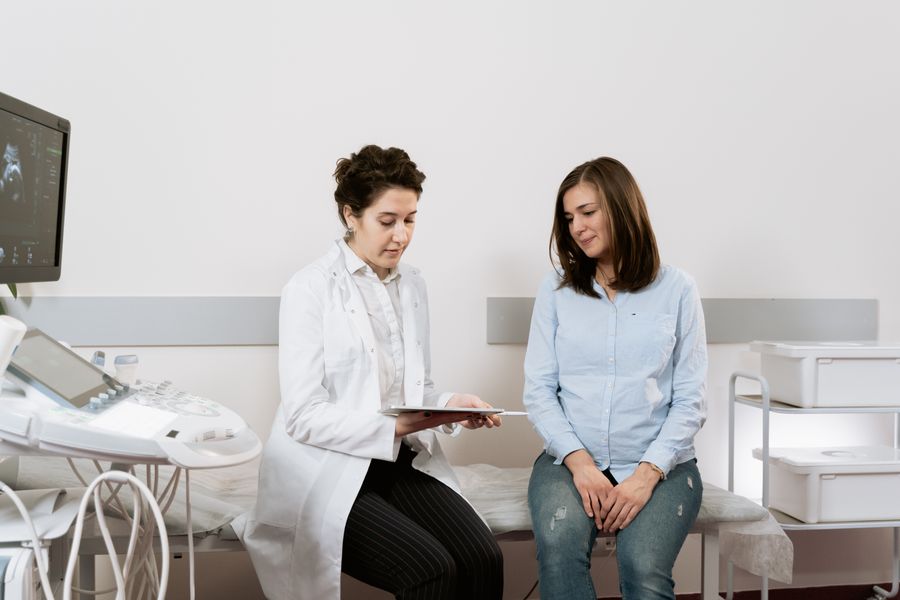
Personalised birth plan
Your preferences, pain tolerance and pregnancy history are discussed in advance to shape a labour plan suited to you.
-
Epidural pain relief on request
A trained anaesthetist administers epidural analgesia during labour, easing pain while keeping you alert and able to push.
-
Continuous labour monitoring
Your progress and the baby's heartbeat are tracked throughout labour so any change can be acted on quickly.
-
Skilled support at every stage
An experienced obstetric team guides you through each stage of labour, encouraging a natural vaginal delivery wherever possible.
Who can opt for Normal Painless Delivery
Pregnancies progressing normally without complications that would rule out a vaginal birth.
Anyone who wants the benefits of a natural delivery without going through unmanaged labour pain.
Mothers who've had an uncomplicated vaginal delivery before are often good candidates again.
Absence of conditions like placenta previa or breech position that would need a planned caesarean instead.
Anyone concerned about pain during childbirth can discuss epidural and other pain-relief options in advance.
Mothers who want to remain mobile and alert through labour, with pain managed rather than eliminated by general anaesthesia.
How Normal Painless Delivery is carried out
The sequence below is how most normal painless deliveries are managed, from admission to recovery.
Admission & assessment
On arrival in labour, your progress, the baby's position and heartbeat are checked to confirm you're ready to proceed.
Epidural placed as labour progresses
When you're ready for pain relief, an anaesthetist places the epidural, which numbs labour pain while keeping your legs and pushing reflex functional.
Monitored active labour
Contractions, cervical dilation and the baby's heart rate are tracked continuously as labour advances.
Guided delivery
With pain well controlled, you're guided through pushing and delivery, with the team ready to adapt the plan if anything changes.
Immediate recovery & bonding
After delivery, you're monitored closely, and skin-to-skin contact with your baby is encouraged as soon as possible.
What mothers gain from Normal Painless Delivery
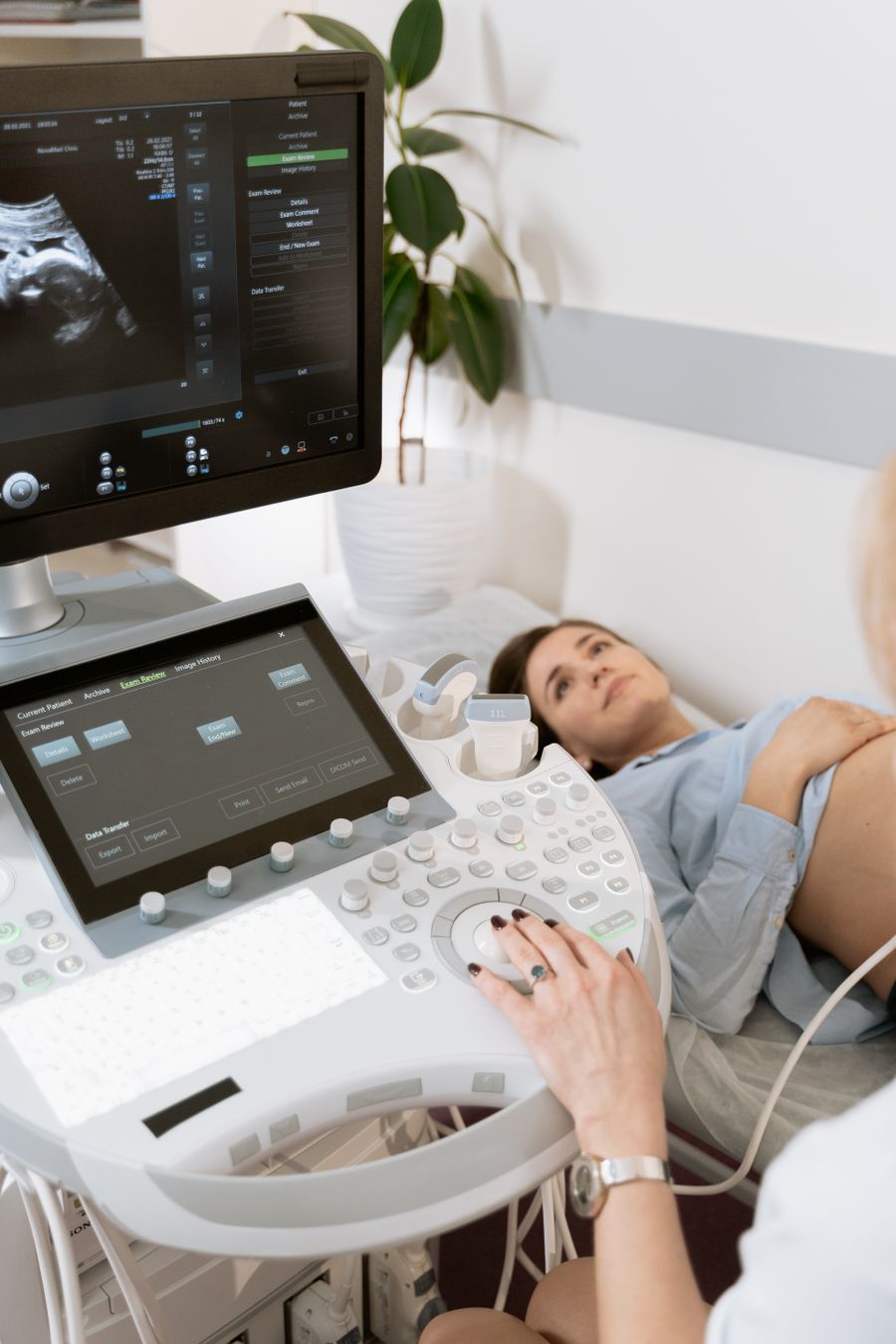
Epidural analgesia significantly reduces pain while you stay awake and aware through delivery.
A vaginal delivery typically means a shorter hospital stay and quicker return to normal activity.
Pain relief doesn't mean losing awareness — most mothers remain alert and able to actively participate in delivery.
A smoother, less exhausting delivery makes it easier to hold and bond with your baby right away.
Dr. Mounika
M.B.B.S., DNB (OBG) — Consultant Obstetrician & Gynaecologist, Infertility Specialist, with particular experience guiding mothers through natural, epidural-supported normal deliveries
Normal painless delivery guided by an experienced obstetrician
Dr. Mounika evaluates each pregnancy carefully, discussing your labour preferences and pain-relief options in advance so you know what to expect on delivery day.
Every birth plan is tailored to your pregnancy history and comfort, with continuous monitoring and epidural support geared toward a safe, natural delivery.
Frequently asked questions
Epidural analgesia is considered safe for the baby when administered and monitored by a trained anaesthetist during labour.
Yes — the epidural dose used for labour numbs pain while keeping enough sensation and muscle control to push effectively.
It's usually given once labour is established, and timing is decided together with your obstetric team based on how you're progressing.
If labour doesn't progress safely or a complication develops, the team will discuss moving to a caesarean delivery for your and your baby's safety.
Duration varies widely — first labours often take longer than later ones — and your team will keep you updated on progress throughout.
It's suitable for most low-risk, full-term pregnancies; your obstetrician will confirm if it's the right option after assessing your pregnancy.
Book a consultation for Normal Painless Delivery
Fill in your details below. When you submit, it opens WhatsApp with your appointment request ready to send to our care team.
- Response within 24 hours
- Bring your pregnancy records and previous scans, if any
- Labour and delivery cases are seen immediately