Laparoscopic Removal of Uterus, Ovarian Cyst & Ectopic Pregnancy
Keyhole surgery for hysterectomy, ovarian cyst removal and ectopic pregnancy management — smaller cuts, less pain and a quicker return to daily life compared to open surgery.
What this laparoscopic surgery actually involves
A laparoscope — a thin camera — and fine instruments are passed through a few small cuts in the abdomen to remove the uterus, an ovarian cyst, or manage an ectopic pregnancy, without the larger incision open surgery would need.
-
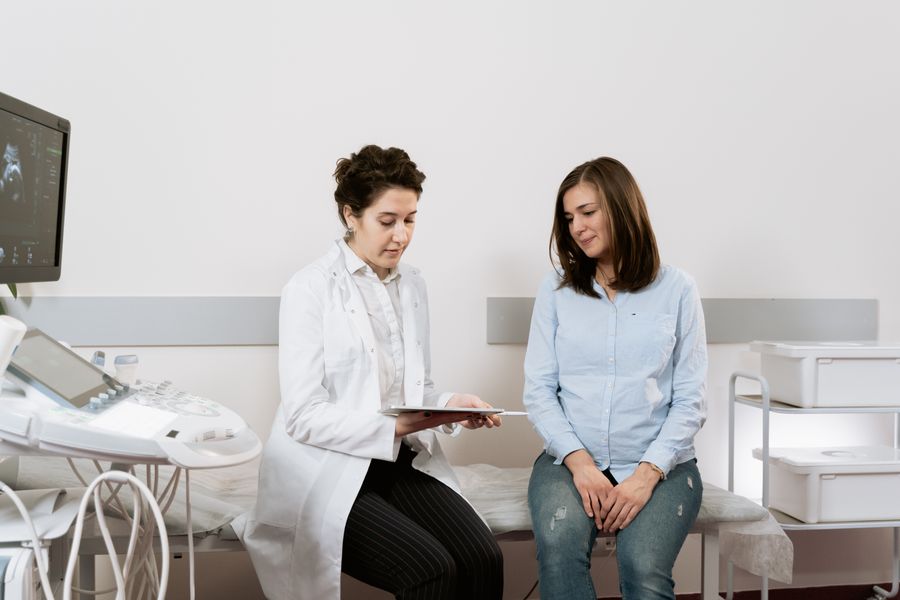
Pre-surgery evaluation
Scans and blood tests confirm the diagnosis — fibroids, an ovarian cyst, or an ectopic pregnancy — and check that laparoscopy is the right approach.
-
Small keyhole incisions
A few small cuts, usually under a centimetre, are used to insert the camera and instruments instead of one large incision.
-
Precise removal under general anaesthesia
The uterus, cyst, or ectopic tissue is carefully removed while the surrounding organs are protected as much as possible.
-
Faster recovery and follow-up
Smaller cuts mean less pain and a quicker return to routine, with a follow-up visit to check healing and results.
Who can consider this laparoscopic surgery
Women with large fibroids or persistent heavy periods that haven't responded to other treatment.
Cysts that are large, painful, or not resolving on their own and need surgical removal.
A pregnancy developing outside the uterus that needs prompt, careful surgical management.
Ongoing pelvic pain linked to conditions like endometriosis or adhesions that may need surgical evaluation.
Cases where the uterus needs to be removed due to prolapse or suspicious growths found on scans.
Patients who prefer keyhole surgery over open surgery for a faster, less painful recovery.
How the laparoscopic surgery is carried out
The sequence below is how most laparoscopic gynaecological surgeries are managed, from diagnosis to recovery.
Diagnosis & evaluation
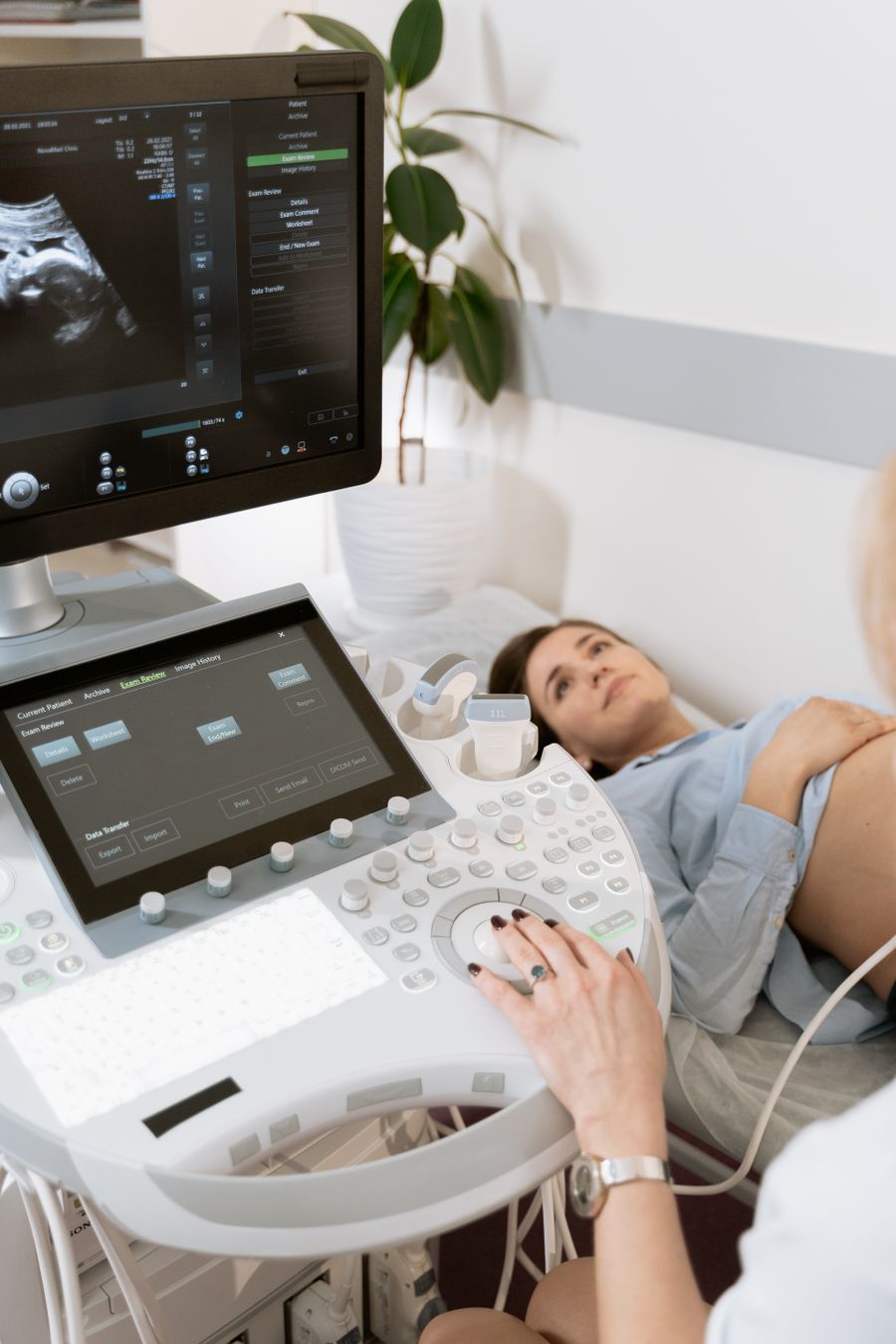
Ultrasound, blood tests and a pelvic exam confirm the condition — fibroids, cyst, or ectopic pregnancy — and rule out other causes.
Pre-surgery preparation
Fitness for anaesthesia is assessed, and the surgical approach — hysterectomy, cystectomy, or ectopic surgery — is finalised.
Laparoscopic surgery
Under general anaesthesia, small incisions allow the camera and instruments in to carefully remove the affected tissue.
Hospital stay & monitoring
A short hospital stay allows the team to monitor pain, vitals and early recovery before you're discharged.
Recovery & follow-up
A follow-up visit checks wound healing and pathology results, with guidance on resuming normal activity.
What patients gain from laparoscopic surgery
Keyhole incisions leave minimal scarring compared to a single large open-surgery cut.
Smaller incisions generally mean less discomfort and lower need for pain medication after surgery.
Most patients go home within a day or two, compared to a longer stay after open surgery.
Quicker healing means an earlier return to normal routine, work and activity than with open surgery.
Dr. Mounika
M.B.B.S., DNB (OBG) — Consultant Obstetrician & Gynaecologist, with particular experience in laparoscopic hysterectomy, ovarian cyst removal and ectopic pregnancy management
Laparoscopic surgery guided by an experienced specialist
Dr. Mounika evaluates each case carefully, using scans and test results to determine whether a laparoscopic hysterectomy, cyst removal, or ectopic pregnancy surgery is the right approach for you.
Every surgery is planned with your specific condition in mind, with close monitoring before, during and after the procedure to support a smooth recovery.
Frequently asked questions
For most suitable cases, laparoscopic surgery carries similar safety with the added benefits of smaller cuts and faster recovery; your doctor will confirm if it's right for your case.
Most patients stay for a day or two, depending on the type of surgery and how recovery progresses.
In most cases, cyst removal preserves the ovary and uterus, so periods continue as usual; your doctor will explain what applies to your specific case.
Not always — some early cases can be managed medically, but many need prompt surgical treatment; your doctor will decide based on your scans and symptoms.
Most patients return to light activity within a week or two, with full recovery guided by your follow-up visits.
If the ovaries are preserved during surgery, hormone production generally continues normally; your doctor will discuss this based on your treatment plan.
Book a consultation for laparoscopic surgery
Fill in your details below. When you submit, it opens WhatsApp with your appointment request ready to send to our care team.
- Response within 24 hours
- Bring previous scans or test reports, if any
- Urgent cases (like suspected ectopic pregnancy) are prioritised